The Cusworth Hall Heir and the East Retford Election
Delve into the bizarre incident involving William Wrightson and the East Retford election of 1826..
William Wrightson
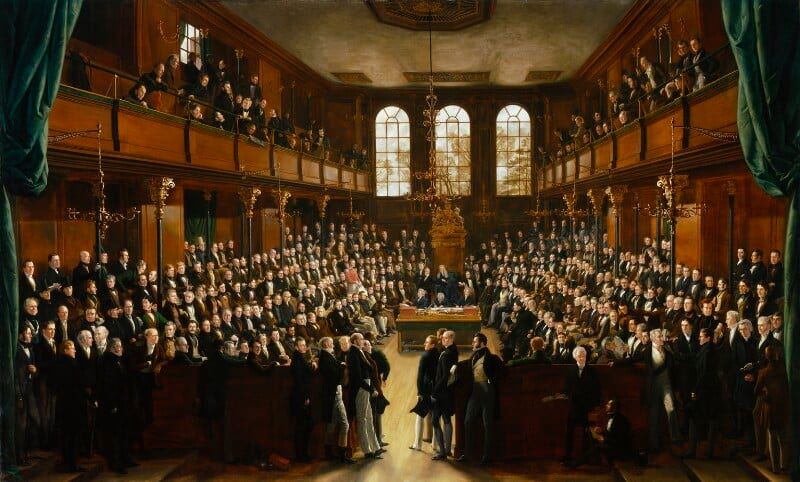
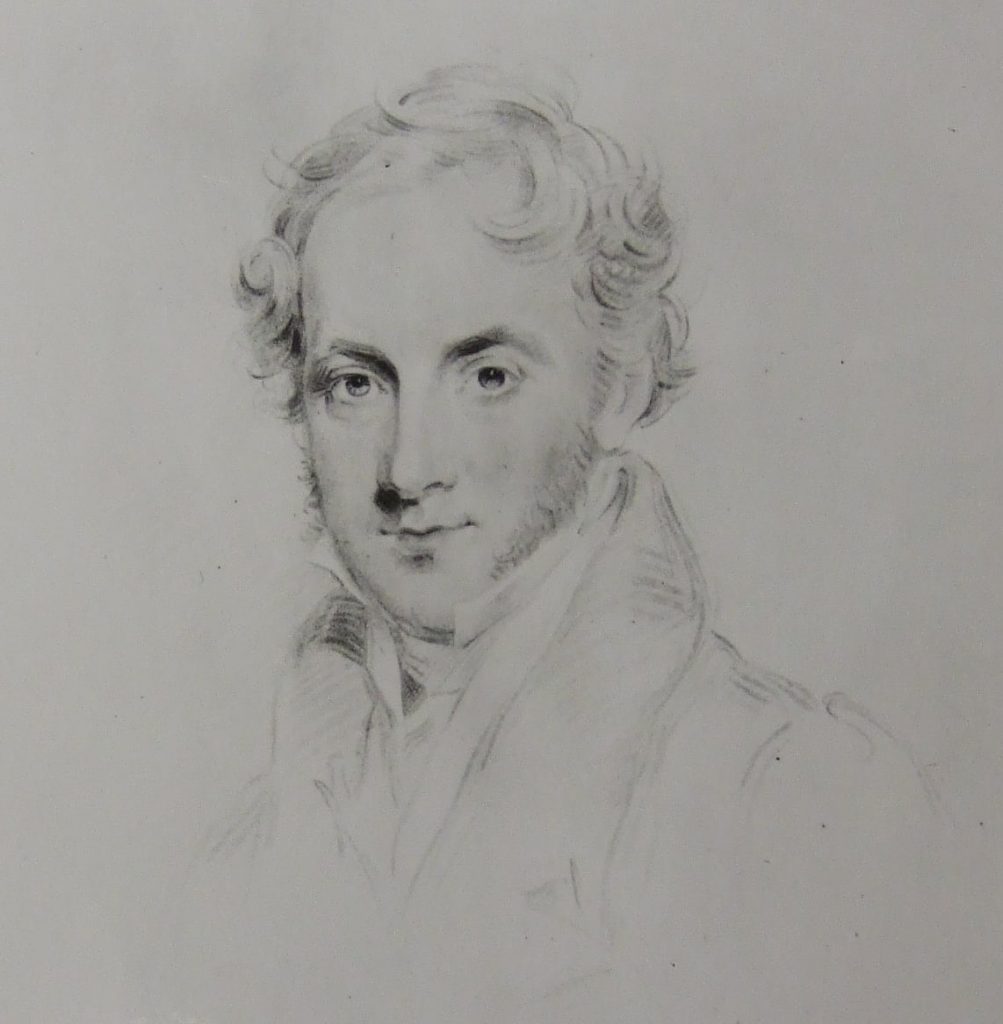
In 1825, William Wrightson was 36 years old, recently married, and the heir apparent to Cusworth Hall. Like many other rich and intelligent young men, interested in the world around them, William decided that he would like to become at MP and acquire a seat in the House of Commons. William’s father, another William, had been MP for Aylesbury for many years. Hopeful candidates at this time depended on the patronage of other wealthy, influential men.
The East Retford Election
In 1825, a vacancy appeared in the borough of East Retford, when the existing Whig candidate withdrew. The banker and lifelong friend of William’s father, Henry Foljambe, put forward William as an alternative candidate. This was before the Great Reform Act of 1832, so in 1826 the constituency of East Retford elected two MPs. William stood alongside Sir Robert Lawrence Dundas as Whig candidates in the election.
For many years previously, East Retford had a reputation for corruption and violence. There were only about 200 men eligible to vote in the area. As a result, it had become common practice for candidates to devote a lot of time and energy in bribing the electorate to vote for them. This election was no exception. Therefore, in the run-up to polling, the Whig and Tory candidates were paying a huge amount of attention to the local voters. They even encouraged them to drink in the local pubs for many weeks at the candidates’ expense!
The Rival
William’s rival Tory candidate, Sir Henry Wright Wilson, was violently anti-Catholic. He managed to whip up ‘No Popery’ violence in the town, fuelled no doubt by excessive alcohol consumption. William Wrightson and Sir Robert were in favour of Catholic emancipation. In February, the violent anti-Catholic faction drove them out of town. On polling day on 9th June, the danger was apparent. Their enemies had made wild threats against both candidates. At this time voting was not secret, and the polls were clearly going in their favour. An angry mob attacked the candidates and they had to run for their lives. The day ended with the deployment of the militia.
The Aftermath
William and Sir Robert escaped Retford with their lives. Despite this, the candidates had secured the most votes. Eventually, they returned as the successful candidates. However, this success would prove short-lived. The losing Tory candidate, Wright Wilson, lodged a complaint claiming severe corruption. He argued that the military had interfered in the event in an improper manner.
The Committee
A new investigative committee assessed the whole affair. Tales of bribery and ‘jossing’ – drinking at the candidates’ expense – abounded. A local committee met to prepare evidence of corruption against the Whig candidates. William Wrightson wrote a series of to his father. In them he reported on the latest events over the few days that the committee met. Eventually, the East Retford Election Committee reported that
“Sir Robert Dundas and William Battie-Wrightson are not duly elected. That Sir Robert Dundas and William Battie-Wrightson have been guilty of treating by their agents.”
In this case, ‘Treating’ means to corruptly influence a voter to vote or refrain from voting. The Committee found that those who had voted for the two candidates had expected to receive 20 guineas per vote. As a result, the election was void.
No personal blame was placed on the two candidates. On the other hand, their election agents and the returning officer seem to have been scapegoated by the committee. However, it appears that all candidates from both parties were guilty of paying the going rate to voters. This had always been the case in East Retford and elsewhere.
However, the appeal by Wright Wilson almost backfired spectacularly. It was suggested that the scale of corruption meant big changes should be made. Firstly, East Retford would be disenfranchised entirely. Secondly, its MPs should be transferred to the new manufacturing district of Birmingham! Afterwards, the borough merged into a larger Bassetlaw electorate. William Wrightson and Sir Robert Dundas managed to escape from the whole affair without too much personal damage. Afterwards, William went on to become MP for Hull. In 1835 he became the MP for Northallerton. He held this seat for the next 30 years.
The story of William Wrightson, the Cusworth Hall heir, and the East Retford Election is a sorry one. In conclusion, it only goes to show that if today we sometimes feel a bit disillusioned with politics, things 200 years ago were very much worse!