
William Wrightson, the builder of Cusworth Hall
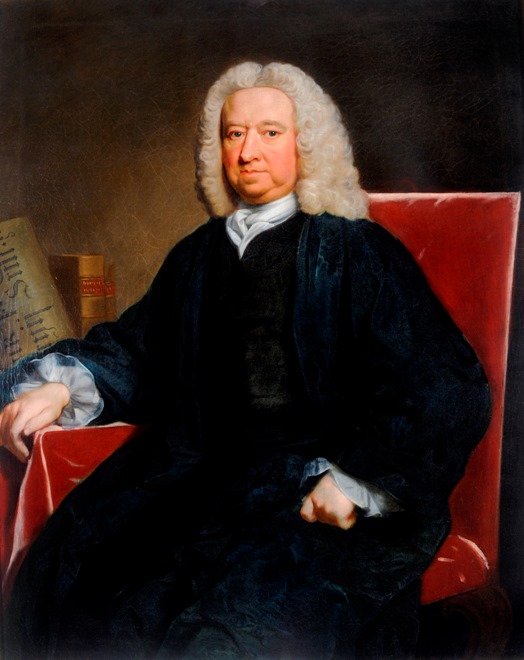
After inheriting the Cusworth estate, William Wrightson oversaw the building of Cusworth Hall, the imposing country hall still standing today.
Early Years
William was born in December 1676 and baptised in Sprotbrough Parish Church later that month. He was the son of Robert and Sarah Wrightson. In 1669 they had purchased the original medieval manor house in Cusworth village. As William was a younger son, it was unlikely he would inherit the Cusworth estate following the death of his father. As a result, he moved to London at the age of seventeen. He worked at the Pipe Office of the Court of the Exchequer. The work involved dealing with debts owed to the Crown.
Married Life
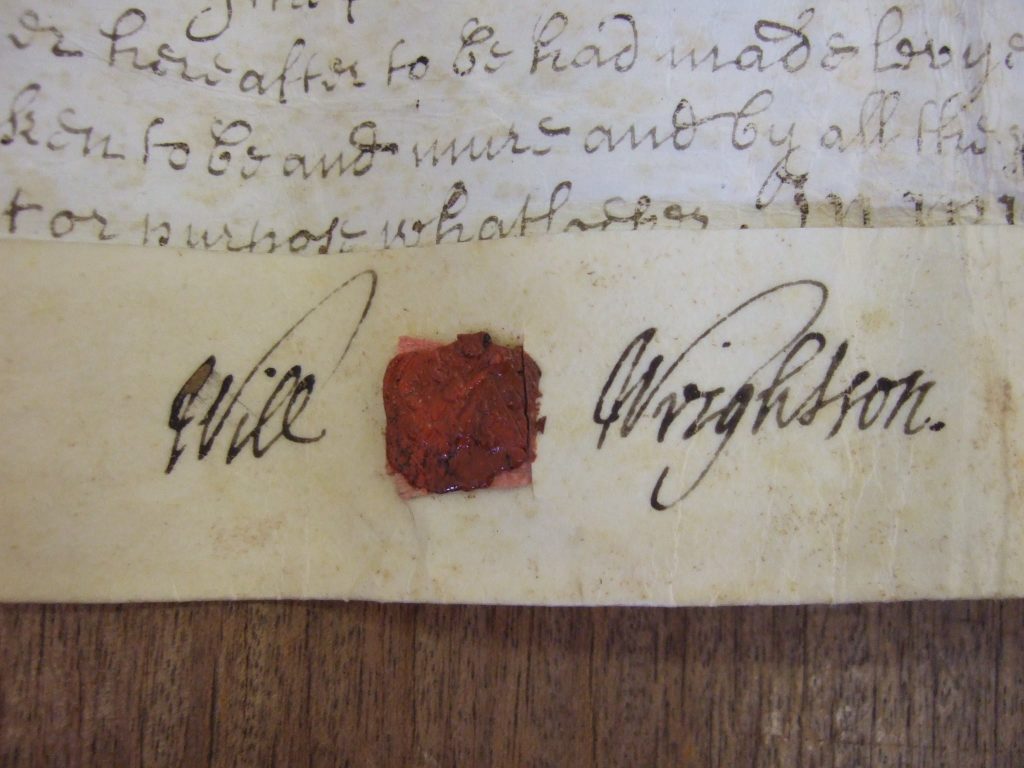
In 1699, at the age of just twenty-two, William married Isabel Matthews of Newcastle. Isabel was the widow of a wealthy coal merchant. Isabel was forty-seven years old, twenty-five years older than her new young husband. In fact, she had married her first husband in 1675, the year before William was born! As a widow, Isabel should have inherited her first husband’s fortune. However, when she remarried her money and possessions passed to her new husband William. The couple moved to Newcastle and William enjoyed the life of a wealthy gentleman. He eventually became an MP for the City of Newcastle in 1710 and held this position for twelve years. However, his wife Isabel died in 1716. His political influence began to wane and he lost the election of 1722.
Remarriage
In 1721, William married again. This time he married Isabel Fenwick, whose family owned considerable swathes of land in Northumberland. This persuaded him to once again stand for Parliament as the candidate for Northumberland the following year. Although he was initially successful, his victory was legally challenged and later voided.
While this uncertainty lingered over William’s political career, an event occurred in 1724 which changed the course of his life forever. His elder brother Thomas Wrightson passed away at the age of 50. Thomas had inherited the Cusworth estate from their father in 1708, but he had no children. This mean the next heir in line to inherit was William himself. Consequently, he moved with his wife Isabel from Northumberland back to his childhood home of the old Cusworth Hall. As he was now a very wealthy individual, William was able to invest very heavily in making additions and improvements to the estate.

Building Improvements
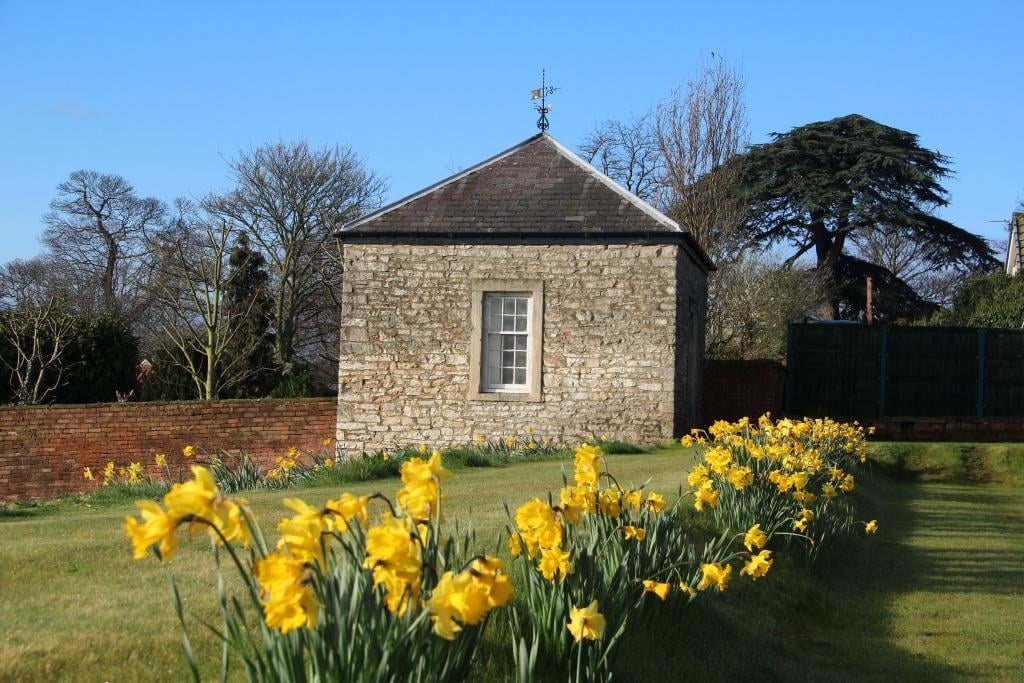
His first project was to enlarge the gardens of the existing house. He oversaw the creation of a Walled Garden which incorporated a flower garden, a kitchen garden and an orchard. He also commissioned a new bowling green and bowling pavilion. A game of bowls was one of the most fashionable country house sports in the early eighteenth century. William would have entertained his friends and acquaintances with a bowling party. Meals and light refreshments would have been served in the bowling pavilion. Alongside these developments, William and Isabel welcomed their first child Isabella into the world in 1727, born when her father was 51 years old. Two years later a younger brother William was born, followed by a younger sister Sarah. Sadly, both of these two children died in infancy and Isabella grew up as an only child.
William’s personal wealth increased steadily. By the 1730s he was making considerable rental income from the land he had inherited from his father. In 1739, he was appointed First Secondary in the Pipe Office, which paid £800 per year. This is equivalent to nearly £100,000 today. It may have been this appointment that finally persuaded William to commit to the building of a new and far grander country house which would reflect his status as an influential country gentleman.
A New Cusworth Hall
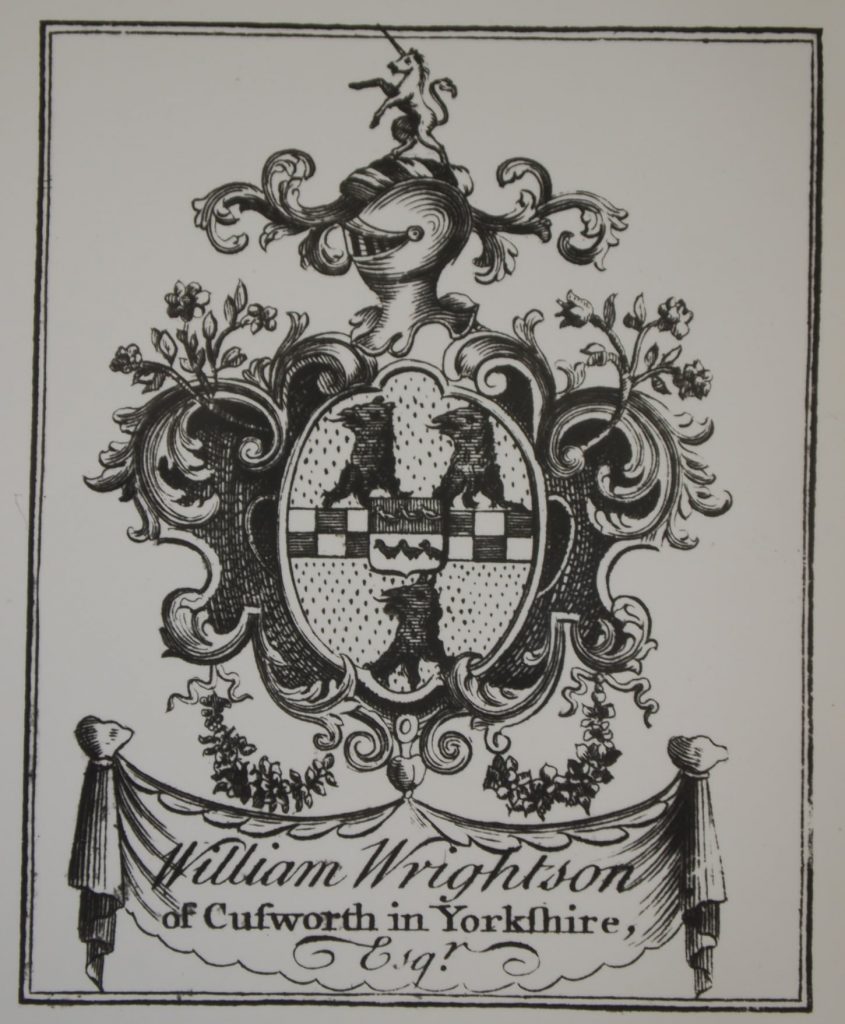
In 1740, William commissioned the architect George Platt of Rotherham to design a modern and imposing country residence. It was designed in the newly fashionable Palladian style, which was based on symmetry and was Classical in style. Building materials came from the Cusworth estate quarries. William took a keen interest in the project. He was said to have given the builders daily instructions from a chair fastened to the scaffolding around the partly finished house!
By 1744, Cusworth Hall was complete. William moved in with his wife Isabel and daughter Isabella. Many servants who worked for him at the original hall joined him there. Sadly, William’s wife Isabel died just a year later. William and his daughter were alone in the large and unfamiliar new house. However, when Isabella married John Battie of Warmsworth in 1748, the couple remained with William at Cusworth Hall. William lived to the ripe old age of 84. He oversaw the addition of the chapel and library wings at the Hall and saw the births of his two grandchildren, William and Isabella.
In December 1760, William died at Cusworth Hall. William was buried at Hemsworth alongside his wife and his parents Robert and Sarah.
2 thoughts on “William Wrightson, the builder of Cusworth Hall”
I am a “Wrightson” from Australia.
I am intending to visit the United Kingdom in August this year, 2024 and hope to visit Cusworth Hall.
Would you kindly provide me with the weekly days and Opening hours please.
I understand that I am related to William Wrightson through family history.
Thank you, kind regards
Lorraine Hodder
Hi Lorraine, thank you for your message. All information about opening days/time can be found on the following webpage https://www.doncaster.gov.uk/services/culture-leisure-tourism/cusworth-hall-museum-and-park. Kind Regards