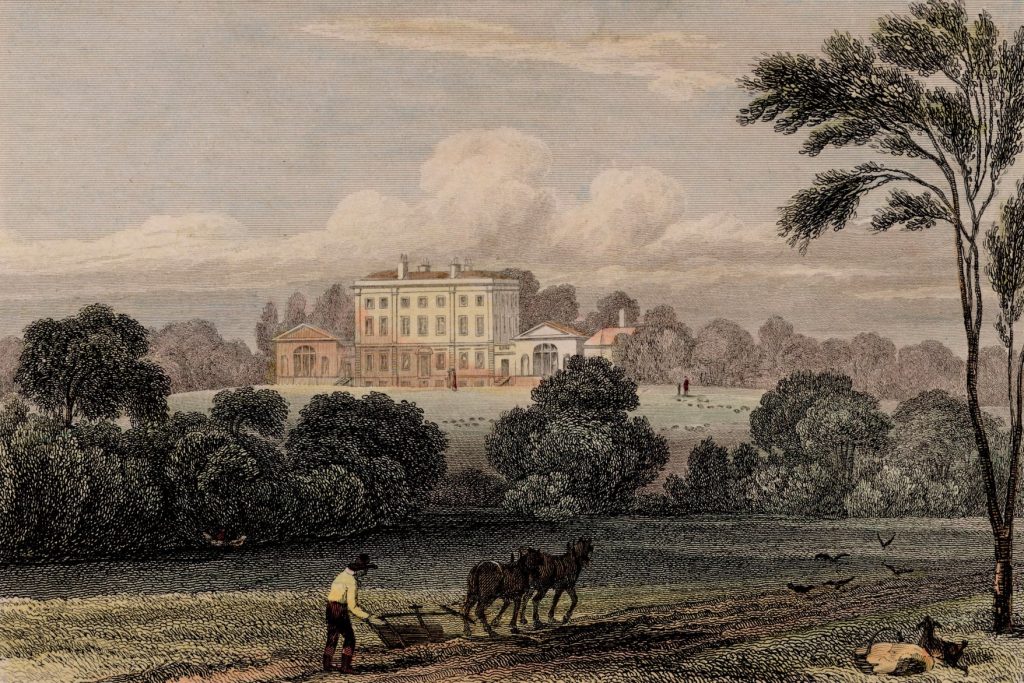
Dinner time at Cusworth Hall, Eighteenth Century
Food and drink was an important part of life at Cusworth Hall in the 18th century. In 1744, the building of Cusworth Hall was completed. Surviving account books give a glimpse of the foods eaten by William Wrightson and his family during their first months in their new home.
Christmas 1744 at Cusworth Hall
On Christmas Eve 1744, the account book of William’s 17-year-old daughter Isabella records that she purchased beef, sugar, lemons, almonds, nutmegs, cinnamon, clove, pepper and ginger. A popular winter dish at this time was ‘Christmas porridge’, which was a sort of thick, spicy beef soup made from chopped mutton or beef and mixed with breadcrumbs, onion, grains, almonds, currants and sugar. It appears that Christmas porridge was enjoyed at Cusworth Hall at Christmas 1744!
Dinner time
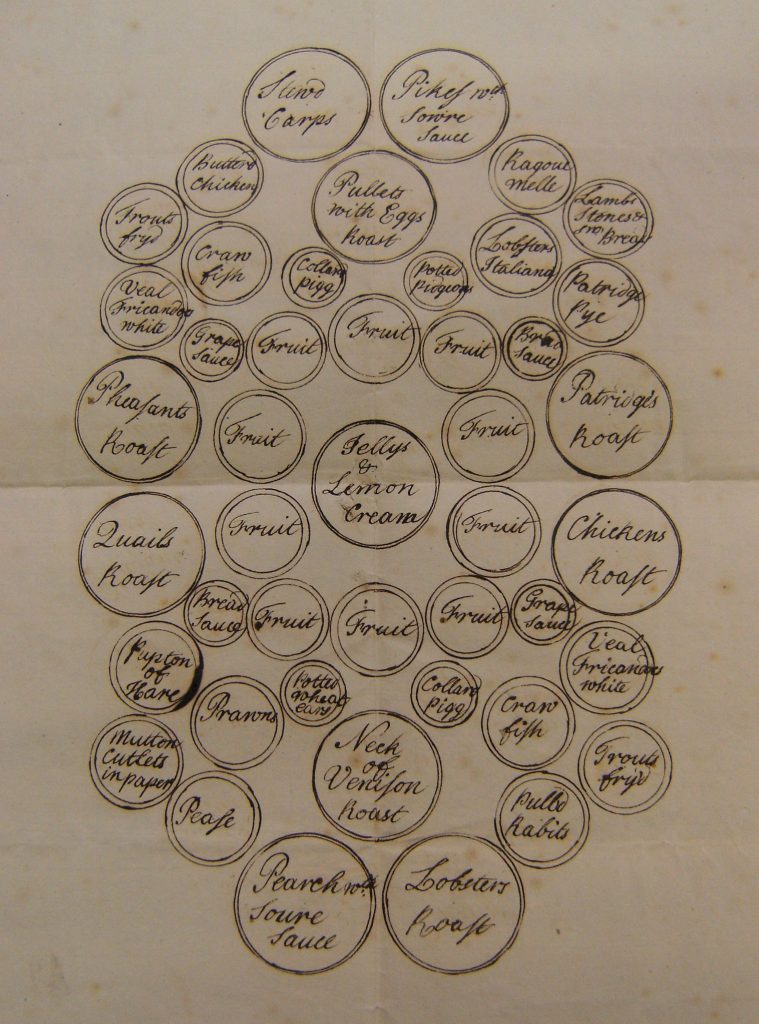
The way in which the family eat their meals was very different to today, in particular when entertaining guests. Courses were small in number, ranging from one to four, but could contain 20 or more dishes. This type of dining was called ‘service a la francaise’. Sweet and savoury dishes were served together and diners helped themselves. A fascinating document survives in the Wrightson family archive which demonstrates this ‘service a la francaise’ to perfection. It is a menu for a dinner that would have at one time been rustled up in the Great Kitchen of Cusworth Hall then presented to the family by their servants. We see an incredible array of different foods served at the same time of at least 24 dishes which included stewed carp, pikes with sour sauce, fried trout, partridge pie, roast quail and bread sauce served alongside the fruit, jellies and lemon cream!
Recipes
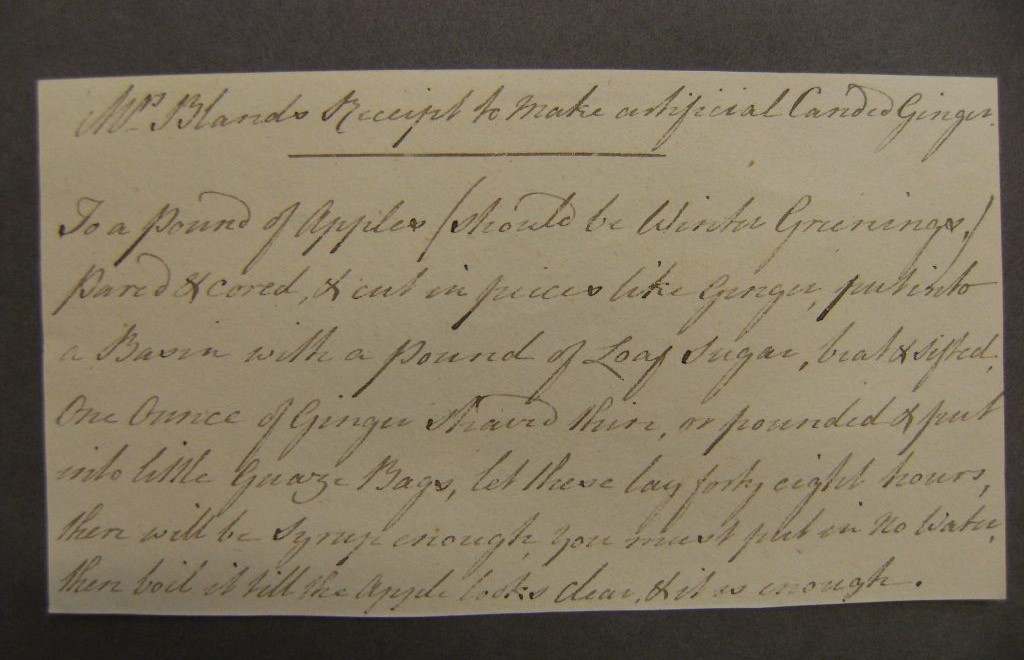
Also found within the family archive are several recipes for homemade desserts and wine. These handwritten recipes, known as ‘receipts’, were shared among ladies of the family. They include dried apricots, blackcurrant wine, artificial candied ginger and ginger tea.
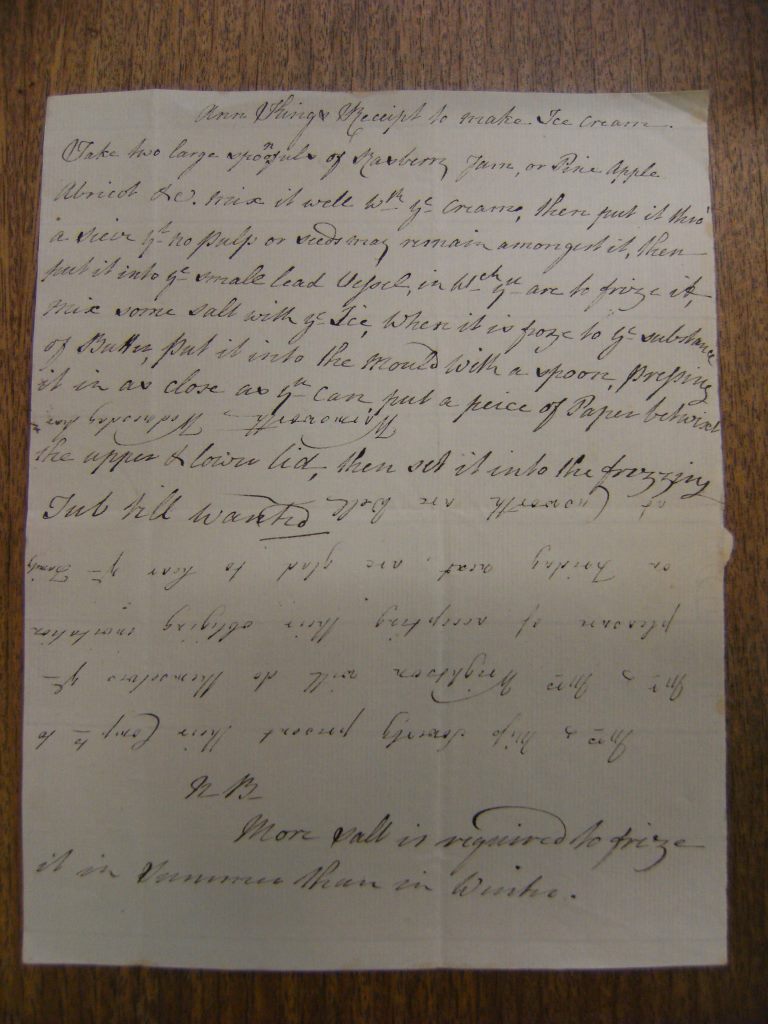
A particularly interesting recipe from the archive explains how to make ice-cream. Ice-cream was a very fashionable dessert in the eighteenth century. The flavoured cream mixture was placed in a container which in turn was placed in a bucket. The gap between the bowl and the bucket was packed with ice and salt was then added to the ice. The salt would melt the ice and draw heat away from the cream. This reduced the temperature around the bowl until the cream mixture froze. To keep up with this demand for ice-cream, many country houses built their own ice houses in which to store ice all year round. However, there is no evidence that Cusworth Hall ever had its own ice house. The Cusworth recipe includes a note to use more salt to freeze the cream in the summer than in the winter.
Tea
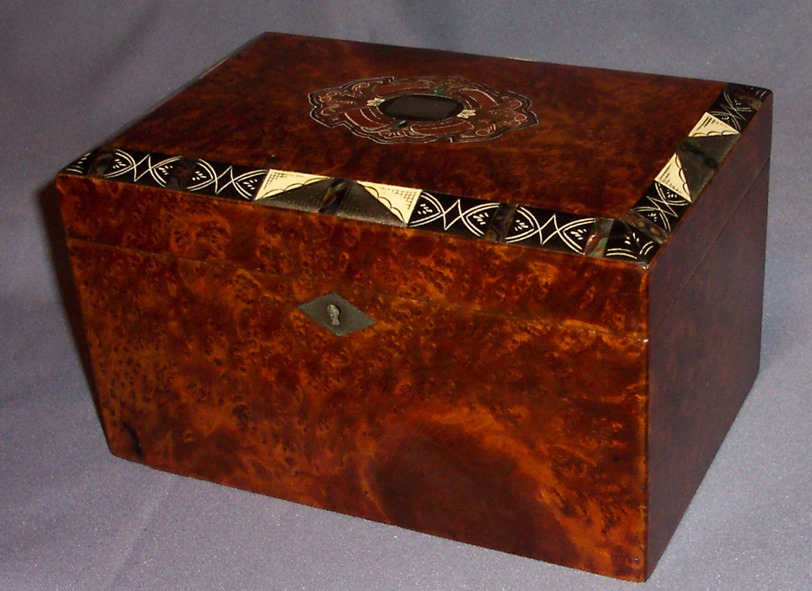
Country house ladies in the eighteenth century enjoyed tea drinking. It was a fashionable, and expensive, pastime. Tea was locked in a tea caddy for security purposes. In the afternoons, the footmen would bring to the mistress of the house the tea caddy, a teapot, hot water urn and heater, and the teacups, then she would brew the tea herself and serve it to visiting friends or relations. The contents of Cusworth Hall were sold at auction in 1952. Among the lots were many Georgian tea accessories including caddies, spoons and cups and saucers. This suggests that the Wrightsons were a family who very much enjoyed their afternoon tea.